

Chiropractic Care for Jaw Dysfunction
Jaw pain has a way of making itself known at the worst possible moments. Eating, talking, even yawning can feel uncomfortable when your jaw isn't working the way it should. If you're dealing with persistent jaw discomfort, clicking, grinding, or tension that seems to spread into your neck and head, you're not alone.
Exmouth Health Professionals offers caring, evidence-based chiropractic care for jaw pain and dysfunction. Our experienced chiropractor takes the time to understand what's going on and works with you to find a path forward.

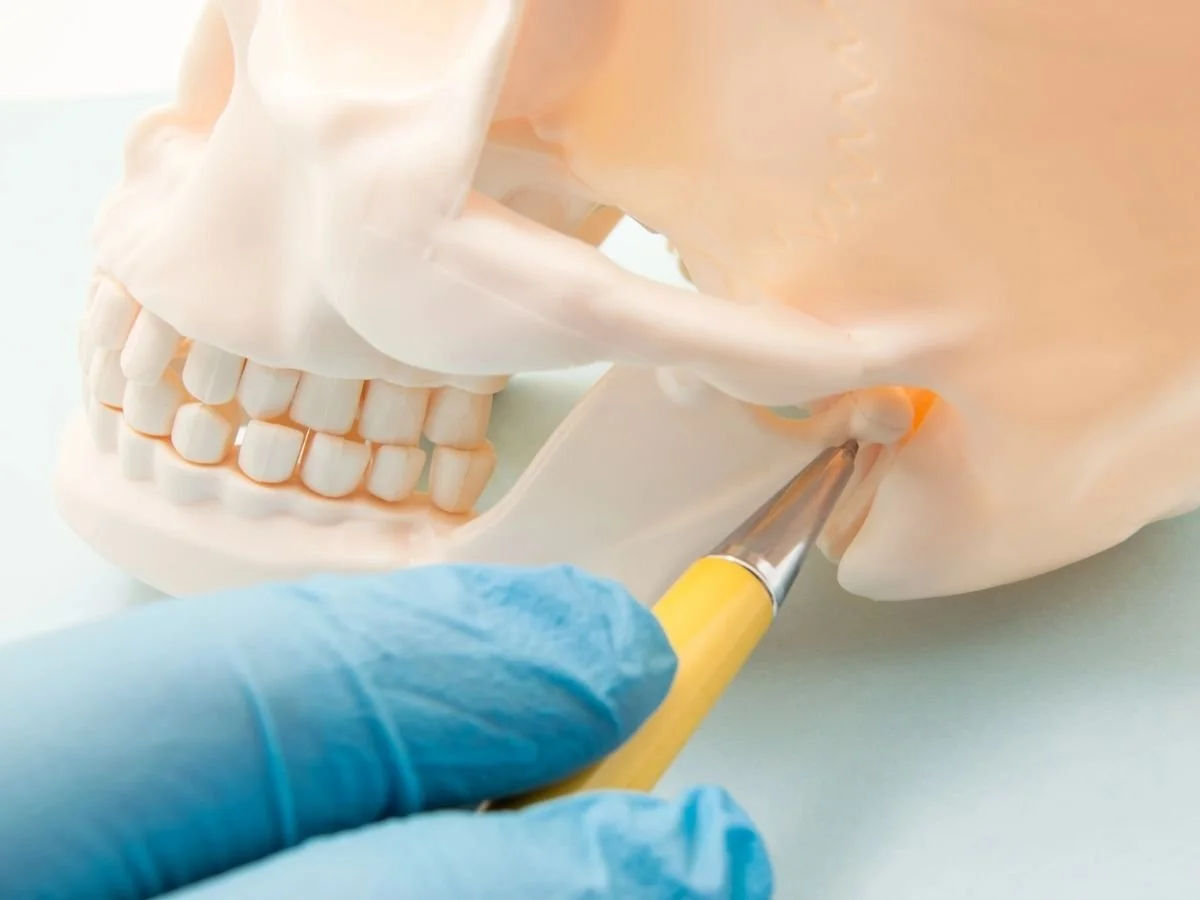
Why does my jaw hurt?
The jaw joint, known as the temporomandibular joint (TMJ), is one of the most frequently used joints in the body. It connects your lower jaw to your skull and is involved in every bite, word, and yawn throughout your day.
When this joint or the surrounding muscles aren't functioning well, you may notice a range of symptoms, including:
Pain or tenderness in the jaw, face, or ear
Clicking, popping, or locking when opening or closing your mouth
Limited jaw movement or difficulty chewing chewy foods
A sense of jaw misalignment or bite discomfort
TMJ dysfunction can stem from many contributing factors. Teeth grinding or clenching (sometimes called bruxism), jaw injury, poor posture, and muscle tension are among the more common ones.
It's also worth knowing that the jaw and neck are closely connected. Forward head posture and cervical tension can increase the load on your jaw joints, which is one reason jaw problems and neck pain often go hand in hand. You can read more about how chiropractic care addresses these kinds of interconnected issues.

How a jaw pain chiropractor can help
A growing body of evidence supports conservative, non-invasive approaches as a sensible first step for managing TMJ disorders. Manual therapy, including gentle joint mobilisation and soft tissue work, has shown clinically meaningful improvements in jaw pain and jaw movement for many people. The Australian Chiropractors Association provides further information on chiropractic care for TMJ-related concerns.
Our chiropractor uses a range of techniques tailored to your presentation, which may include:
Jaw adjustments and mobilisation: Gentle, precise adjustments to improve joint movement and reduce discomfort in and around the TMJ joints
Soft tissue therapy: Addressing tension and tightness in the jaw muscles and surrounding muscles that contribute to pain
Trigger point therapy: Targeting specific areas of muscle tension that can refer pain to the jaw, face, and head
Postural assessment and advice: Identifying how bad posture or neck alignment may be loading your jaw, and providing practical guidance to reduce that strain
Jaw exercises and home care: Simple, guided movements to support your progress between appointments

Our approach to jaw dysfunction care
We take a holistic, team-based view of jaw health. Because jaw dysfunction rarely exists in isolation, our chiropractors work collaboratively with other practitioners at our Maidstone Crescent clinic to address the full picture. Depending on your needs, this might mean complementary support through remedial massage or physiotherapy support therapy alongside your chiropractic treatment.
We also provide jaw exercises and relaxation techniques you can use at home to fasten the healing process.
Private health rebates are available at our clinic, so be sure to bring your health fund card along.

What to expect at your first appointment
Your first consultation will begin with a conversation about the history of your symptoms. We want to hear about your jaw pain, when it started, what makes it better or worse, and how it's affecting your daily life. From there, we'll carry out a thorough examination of your jaw movement, posture, and the surrounding soft tissue to get a clear picture of what's going on.
We'll explain our findings and outline the treatment options we think will be most helpful for you. There's no pressure, and no jargon. Just honest, caring guidance on how we can help you get back on track.
Ready to relieve jaw tension?
If jaw pain, clicking, or persistent discomfort is getting in the way of your day, our team is here to help. Get in touch with us today on (08) 9949 4444 or contact us online to book your consultation today.
The information on this page is general in nature and is not a substitute for personalised medical advice. Please consult a qualified health professional for guidance specific to your situation.
Frequently Asked Questions
-
Yes, chiropractic care is a well-supported conservative option for many people experiencing TMJ pain and jaw dysfunction. Our chiropractors use gentle, targeted techniques to address the root causes of your discomfort, including joint mobility issues, muscle tension, and postural contributors.
-
Your chiropractor will take a full history and assess your jaw movement, posture, and any relevant areas of tension. Treatment may include gentle joint mobilisation, soft tissue therapy, and guided jaw exercises. Each session is tailored to your specific needs.
-
This varies from person to person depending on how long the issue has been present and what's contributing to it. Your chiropractor will give you a realistic idea of what to expect after your initial assessment, and your treatment plan will be adjusted as you progress.
-
Absolutely. We understand that jaw discomfort can make the idea of treatment feel a little daunting. Our chiropractors use careful, gentle adjustments and always work within your comfort level. Communication throughout your treatment is encouraged.
-
No referral is needed. You can book an appointment directly with our team. If we feel that a collaborative approach with your dentist or GP would benefit you, we'll let you know and can help facilitate that.