

Chiropractor for Numbness, Pins & Needles
That persistent tingling in your hands or feet. The numbness that won't quite go away. The burning sensation that flares up after a long day on site or behind the wheel. These aren't symptoms to simply push through. They're your body's way of telling you something is affecting your nerves, and the sooner you address it, the better.
At Exmouth Health Professionals, our experienced chiropractor has been helping the local community manage nerve pain, numbness, and tingling since 2009. Whether you're a local resident or a visitor exploring the Ningaloo region, we're here to help you get back on track.

Why do you feel pins and needles
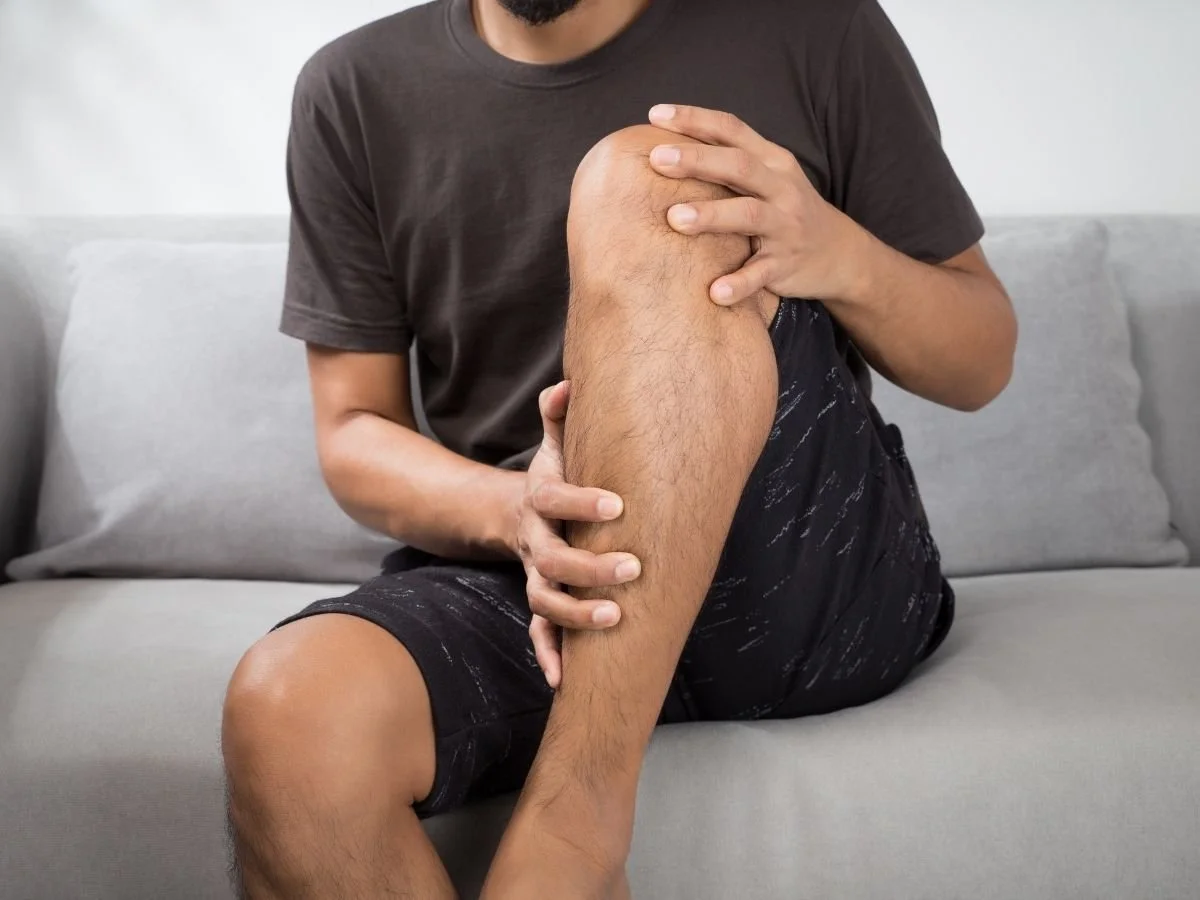
Pins and needles (also known as paresthesia) happen when sensory nerves don't receive adequate blood flow or come under mechanical pressure. The result is that familiar tingling, numbness, or burning pain that can affect any part of your body.
Common mechanical causes include:
Bulging or herniated discs pressing on nerve roots in the neck or lower back
Spinal misalignments causing irritation along the spinal cord
Trapped nerves from tight muscles or bone spurs
Carpal tunnel syndrome, where the wrist bones compress the nerves travelling through the wrist (often felt through the thumb, index, middle, and ring finger)
Poor posture and staying in the same position for extended periods
Sciatic nerve irritation, causing pins and needles in feet and legs
Systemic causes like vitamin deficiencies, autoimmune diseases, and peripheral neuropathy related to diabetes can also produce nerve pain and tingling. If you're unsure what's behind your symptoms, we’ll take the time to work through an extensive medical history before recommending any treatment.
How chiropractic care can help
Spinal manipulation and mobilisation
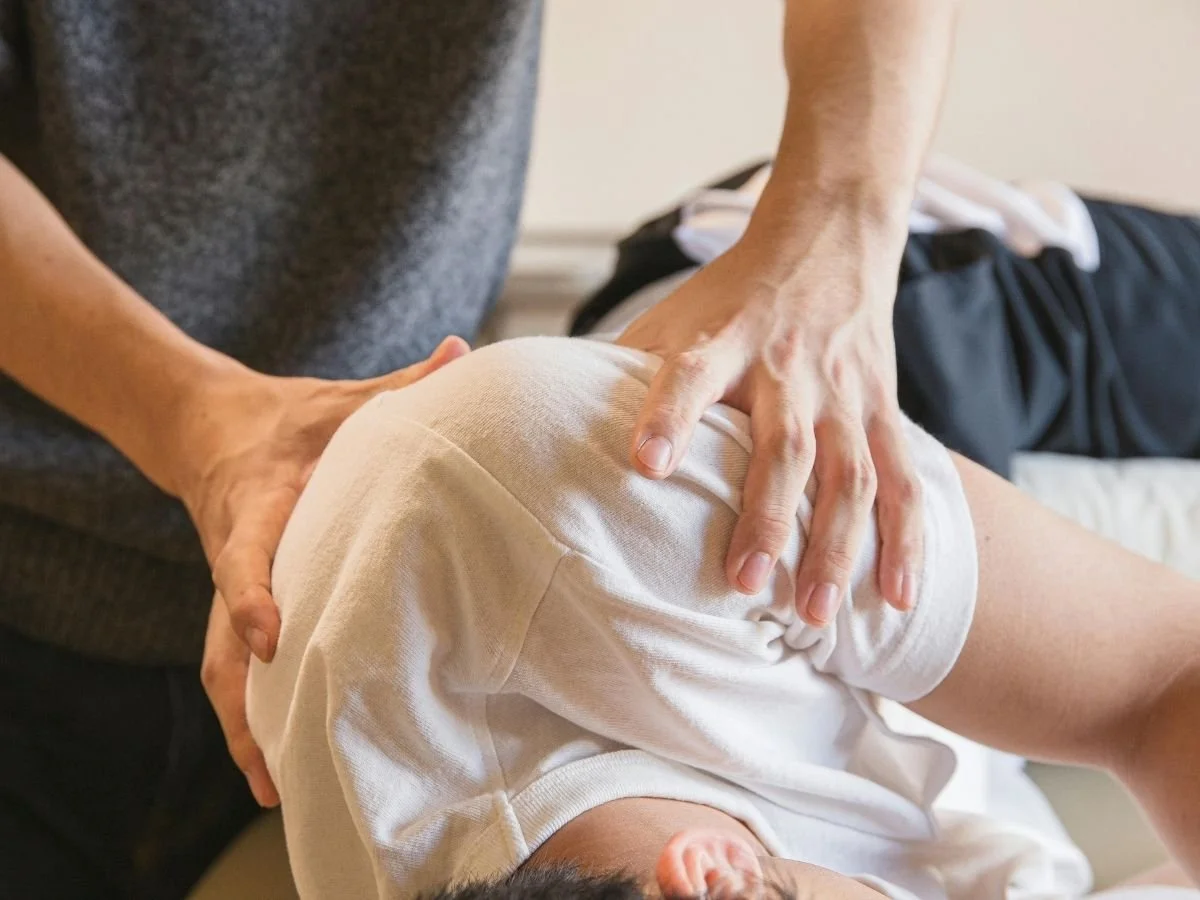
When spinal nerve irritation is the underlying cause of your symptoms, targeted spinal manipulation can help relieve nerve pressure and restore normal function to the affected area. Our chiropractors use evidence-based techniques including Thompson and Activator methods, applied gently and precisely to address nerve compression without invasive procedures.
Soft-tissue and postural correction
Tight muscles and surrounding tissues can aggravate an affected nerve and slow the healing process. Soft-tissue therapy helps reduce inflammation, improve blood flow, and take pressure off the nerve roots. Alongside this, we'll address any poor posture habits contributing to your symptoms, particularly relevant for those spending long hours in repetitive work postures.
Exercise and lifestyle advice
Recovery doesn't stop when you leave our clinic. We provide practical guidance on home exercises and postural habits to support your personalised treatment plan and reduce the risk of your symptoms returning. For those managing chronic conditions like peripheral neuropathy, ongoing lifestyle support plays an important role in managing symptoms day to day.
The Australian Chiropractic Association endorses this multimodal approach, combining manipulation, soft-tissue therapy, and exercise, as the preferred first-line care for nerve root irritation before considering more invasive options.

What to expect at Exmouth Health Professionals
Thorough neuro-orthopaedic assessment
Before any treatment begins, we conduct a detailed physical examination including a neurological and orthopaedic assessment. This helps us identify the root cause of your nerve pain and determine the most appropriate treatment approach. Imaging referrals are arranged when needed.
Collaborative care when you need it
Being in Exmouth doesn't mean settling for fragmented care. Our team works collaboratively to ensure you receive comprehensive support under one roof. For patients whose nerve symptoms may have a systemic component, such as diabetes-related peripheral neuropathy, we can coordinate care to make sure all aspects of your health are considered.

When to seek immediate medical attention
Chiropractic care is appropriate for many types of nerve pain, but some symptoms require urgent medical attention. Please seek immediate care if you experience:
Sudden weakness in your arms or legs
Loss of bladder or bowel control
Numbness following a head or spinal injury
A severe headache unlike anything you've experienced before
Trouble speaking or swallowing
If you're uncertain, don't wait. Get in touch with our team or your GP promptly.
Book your personalised treatment plan today
Living with nerve pain, numbness, or that persistent pins and needles feeling affects your daily life. You shouldn't have to manage it alone, or travel hundreds of kilometres to get answers.
Our team in Exmouth is here for local residents, visiting workers, and tourists alike. You don't need a referral, and private health rebates are available. Get in touch with our friendly team or call us on (08) 9949 4444 to book your consultation
The information on this page is general in nature and is not a substitute for personalised medical advice. Please consult a qualified health professional for guidance specific to your situation.
Frequently Asked Questions
-
Pins and needles in hands or feet are usually caused by nerve compression or reduced blood supply to the affected nerve. Mechanical causes like bulging discs, spinal misalignments, carpal tunnel syndrome, or a trapped nerve in the lower back affecting the sciatic nerve are common culprits. Vitamin deficiencies and conditions like peripheral neuropathy can also be responsible. Our chiropractors will assess your symptoms and help identify the underlying condition.
-
Yes, in many cases. When a bulging disc compresses nerve roots and causes numbness or tingling, chiropractic treatment involving spinal manipulation and soft-tissue therapy can help relieve nerve pressure and reduce inflammation. Recovery time depends on the severity of the disc involvement and how long symptoms have been present. We'll give you a realistic picture of what to expect after your initial assessment.
-
It depends on the cause and how long you've had symptoms. Mild nerve entrapments sometimes respond within a few sessions. Disc-related nerve irritation typically takes longer. We'll outline a clear treatment plan after your first appointment so you know what to expect at each stage of the healing process.
-
Chiropractic care can be a safe and beneficial part of managing symptoms associated with diabetic peripheral neuropathy, particularly when combined with lifestyle and postural support. We'll take a thorough medical history and work alongside your GP or other healthcare providers to ensure your care is appropriate and well-coordinated.
-
If your symptoms came on suddenly, are getting worse quickly, or are accompanied by other symptoms like severe headache, loss of bladder control, or significant muscle weakness, seek medical attention straight away. For most people with ongoing or recurring nerve pain, tingling, or numbness, seeing an Exmouth chiropractor is a good first step. We'll let you know if further investigation or a specialist referral is needed.